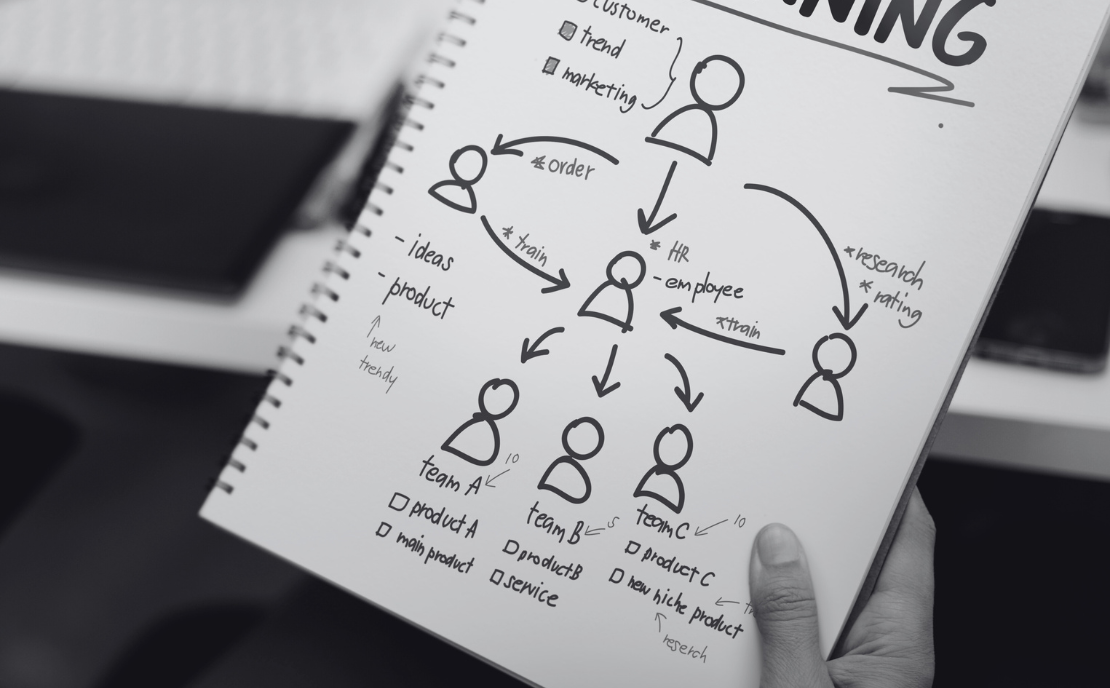
Workforce Planning Mistakes That Limit Business Growth

Workforce planning is one of the most underestimated drivers of business growth. When done poorly, it creates talent gaps, budget strain, and operational bottlenecks that slow progress. Many businesses don’t realize the damage until growth stalls.


1. Hiring Reactively Instead of Strategically

Reactive hiring fills gaps only after problems arise. This often leads to rushed decisions, poor role alignment, and higher attrition.

Strategic workforce planning anticipates future needs and builds capacity ahead of demand.


2. Overcommitting to Fixed Headcount

Permanent hires increase long-term financial exposure. When demand fluctuates, businesses struggle to adapt quickly.

Flexible workforce models reduce risk by aligning staffing levels with real workload requirements.


3. Ignoring Skill Evolution

Roles evolve faster than job descriptions. Planning based on outdated skill requirements results in mismatched hires and declining productivity.

Access to pre-vetted, adaptable talent helps businesses stay aligned with changing needs.


4. Underestimating Time-to-Hire

Lengthy hiring cycles create delivery delays and missed opportunities. Workforce plans must account for hiring speed — not just role requirements.


5. Lack of Contingency Planning

Unexpected attrition, market changes, or project surges can disrupt operations. Workforce plans without backup talent options lack resilience.


Conclusion

Workforce planning mistakes often limit growth quietly but significantly. Businesses that adopt flexible, forward-looking hiring strategies are better positioned to scale sustainably.

F5 Hiring Solutions supports smarter workforce planning through pre-vetted, scalable talent models.


Hiring for Growth vs Hiring for Today — Why the Difference Matters

Many companies hire reactively — filling roles only when gaps appear. While this solves short-term problems, it often limits long-term scalability. Hiring for growth requires a different mindset.


1. Hiring for Today: The Reactive Approach

This approach focuses on:

  • Immediate workload relief

  • Urgent skill gaps

  • Short-term deliverables

While necessary at times, it often leads to rushed decisions and mismatches.


2. Hiring for Growth: The Strategic Approach

Growth-focused hiring prioritizes:

  • Adaptability and learning ability

  • Long-term role evolution

  • Scalability across projects

This creates a future-ready workforce.


3. The Risk of Overcommitting Too Early

Hiring permanent staff for uncertain future needs increases financial risk. Flexible hiring models allow businesses to test growth paths without locking into long-term costs.


4. Blending Both Approaches Effectively

Smart organizations combine:

  • Core in-house talent for stability

  • Flexible outsourced talent for growth and experimentation

This balance supports sustainable expansion.


5. How Outsourcing Supports Growth-Oriented Hiring

Outsourcing allows businesses to:

  • Add skills ahead of demand

  • Scale teams as growth materializes

  • Reduce risk during expansion phases

Growth becomes intentional, not reactive.


Conclusion

Hiring for today solves immediate needs. Hiring for growth builds long-term success. Companies that balance both strategies scale faster and with greater confidence.

F5 Hiring Solutions helps businesses hire with growth in mind using flexible, pre-vetted talent models.

The Hidden Costs of Overhiring — And How Flexible Talent Models Prevent It

Hiring more people may feel like progress, but overhiring often creates long-term financial and operational strain. Many organizations expand headcount too quickly, only to struggle with underutilization, rising costs, and reduced agility.

Flexible talent models offer a smarter alternative.


1. Increased Fixed Costs Without Matching Output

Overhiring leads to:

  • Salaries that continue regardless of workload

  • Benefits and compliance expenses

  • Idle time during low-demand periods

These fixed costs limit financial flexibility.


2. Reduced Productivity and Role Dilution

When teams are overstaffed:

  • Responsibilities become unclear

  • Accountability weakens

  • Productivity per employee declines

More people do not always mean more results.


3. Management and Coordination Overhead

Larger teams require:

  • More supervision

  • Additional processes

  • Increased communication layers

This slows decision-making and execution.


4. Difficulty Scaling Down When Needed

Downsizing permanent staff is costly and disruptive. Flexible talent models allow businesses to adjust capacity without layoffs or long-term obligations.


5. How Flexible Talent Models Solve Overhiring

Outsourced and on-demand professionals enable:

  • Workforce alignment with real demand

  • Cost control during slow cycles

  • Rapid scaling during growth phases

Businesses stay lean without sacrificing capability.

Overhiring creates hidden risks that surface over time. Flexible talent models help organizations maintain efficiency, control costs, and adapt quickly to change.

F5 Hiring Solutions enables businesses to build right-sized teams using pre-vetted, flexible professionals.

In-House Hiring vs Outsourced Talent: What Works Better Today?

Businesses today must decide how to build teams efficiently while managing costs and scalability. The choice between in-house hiring and outsourced talent plays a crucial role in long-term growth.

Understanding the strengths and limitations of each model helps companies make smarter workforce decisions.

1. Cost Comparison

In-house hiring involves fixed expenses such as salaries, benefits, office space, and training. Outsourced talent operates on a variable cost model, allowing businesses to pay only for what they need.

2. Flexibility and Scalability

In-house teams are harder to scale quickly. Outsourced talent offers flexibility, enabling companies to expand or reduce teams based on workload and demand.

3. Speed and Availability

Hiring internally can take months. Outsourced professionals are often available immediately, reducing downtime and accelerating project execution.

4. Skill Access and Expertise

Outsourcing gives companies access to specialized skills that may be expensive or unavailable locally. This is especially valuable for technical, creative, or niche roles.

5. Risk and Accountability

In-house hiring carries long-term commitment risk. Outsourcing minimizes this risk through performance tracking, replacement guarantees, and structured accountability.

Conclusion

Both hiring models have their place, but for speed, flexibility, and cost control, outsourced talent often proves more effective in today’s dynamic business environment.

F5 Hiring Solutions helps organizations strike the right balance by offering reliable, pre-vetted outsourced professionals across roles.

In-House vs Outsourced Hiring: Which Model Works Better Today?

As hiring challenges intensify, businesses are reevaluating traditional recruitment models. In-house hiring offers control, while outsourced hiring offers speed, flexibility, and cost efficiency.

Understanding which model fits your business needs is essential for sustainable growth.

1. Cost Comparison

In-house hiring involves salaries, benefits, infrastructure, training, and HR overhead. Outsourced hiring eliminates most of these expenses, offering predictable and controlled costs.

2. Speed and Time-to-Hire

Internal hiring cycles often take weeks or months. Outsourced hiring provides access to ready-to-deploy talent, significantly reducing time-to-hire.

3. Talent Availability and Quality

In-house teams are limited by geography. Outsourcing unlocks global talent pools with specialized skills that may not be available locally.

4. Scalability and Flexibility

Outsourced teams can scale up or down based on business needs. In-house hiring is harder to adjust without long-term financial commitments.

5. Risk Management

Outsourced hiring reduces risk through pre-vetting, performance tracking, and replacement guarantees—features rarely available in traditional hiring.

Which Model Works Better Today?

For businesses prioritizing speed, flexibility, and cost control, outsourced hiring consistently delivers better outcomes.

The Bottom Line

While in-house hiring still has its place, outsourced hiring has become the smarter, more agile model for modern businesses.

F5 Hiring Solutions helps companies build high-performing teams through flexible, pre-vetted outsourced talent.