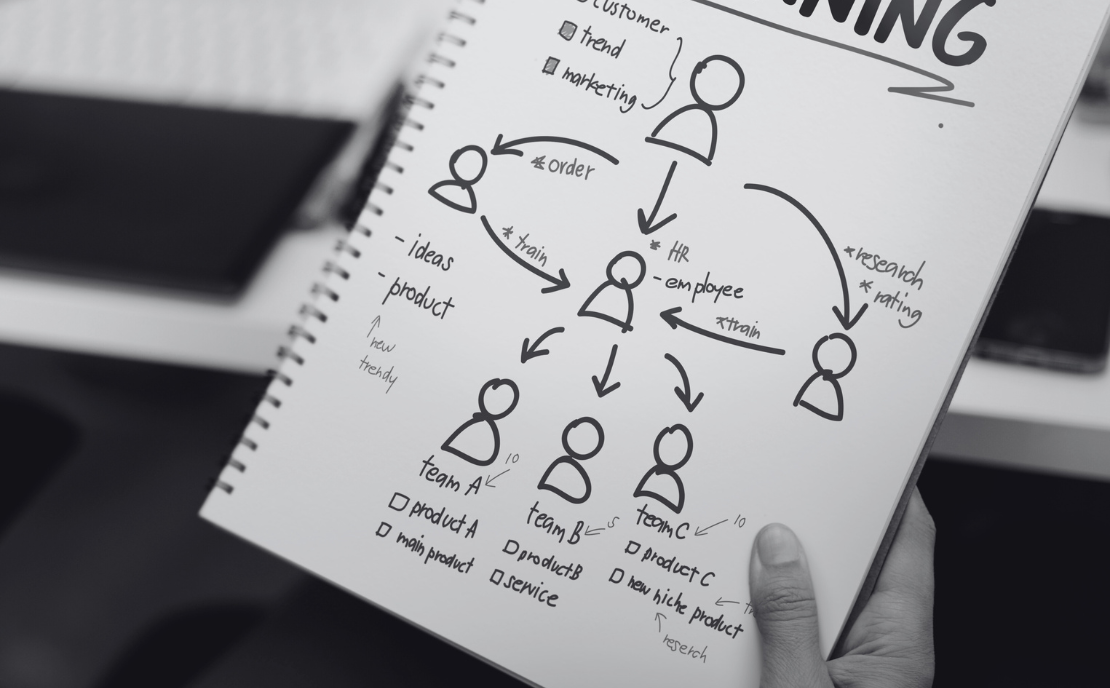
Workforce Planning Mistakes That Limit Business Growth

Workforce planning is one of the most underestimated drivers of business growth. When done poorly, it creates talent gaps, budget strain, and operational bottlenecks that slow progress. Many businesses don’t realize the damage until growth stalls.


1. Hiring Reactively Instead of Strategically

Reactive hiring fills gaps only after problems arise. This often leads to rushed decisions, poor role alignment, and higher attrition.

Strategic workforce planning anticipates future needs and builds capacity ahead of demand.


2. Overcommitting to Fixed Headcount

Permanent hires increase long-term financial exposure. When demand fluctuates, businesses struggle to adapt quickly.

Flexible workforce models reduce risk by aligning staffing levels with real workload requirements.


3. Ignoring Skill Evolution

Roles evolve faster than job descriptions. Planning based on outdated skill requirements results in mismatched hires and declining productivity.

Access to pre-vetted, adaptable talent helps businesses stay aligned with changing needs.


4. Underestimating Time-to-Hire

Lengthy hiring cycles create delivery delays and missed opportunities. Workforce plans must account for hiring speed — not just role requirements.


5. Lack of Contingency Planning

Unexpected attrition, market changes, or project surges can disrupt operations. Workforce plans without backup talent options lack resilience.


Conclusion

Workforce planning mistakes often limit growth quietly but significantly. Businesses that adopt flexible, forward-looking hiring strategies are better positioned to scale sustainably.

F5 Hiring Solutions supports smarter workforce planning through pre-vetted, scalable talent models.


Why Flexible Workforce Models Are Here to Stay

Hiring is evolving rapidly. Permanent, location-bound roles are giving way to more flexible workforce models that prioritize speed, skill access, and adaptability.


1. Changing Business Needs

Project-based work, rapid innovation, and fluctuating demand require talent models that can evolve just as quickly.


2. Talent Expectations Are Shifting

Professionals increasingly value:

  • Flexibility

  • Remote opportunities

  • Outcome-based work

Flexible hiring models align better with modern talent preferences.


3. Technology Enables Distributed Work

Collaboration tools, cloud platforms, and performance tracking systems have removed traditional barriers to remote and outsourced work.


4. Cost Control and Scalability

Flexible workforce models convert fixed hiring costs into variable ones, allowing businesses to scale responsibly without overcommitting resources.


5. Competitive Advantage Through Agility

Organizations that adopt flexible hiring strategies can respond faster to market opportunities and disruptions than those relying solely on traditional hiring.


Conclusion

The future of hiring is not about replacing full-time teams — it’s about complementing them with flexible, scalable talent models.

F5 Hiring Solutions supports future-ready organizations with pre-vetted professionals built for modern workforce needs.

Building Resilient Teams in Uncertain Markets

Market uncertainty has become the norm rather than the exception. Economic shifts, evolving customer demand, and rapid technological change require businesses to rethink how they build and sustain teams. Resilience is no longer about size — it’s about adaptability.


1. Why Traditional Workforce Models Struggle

Rigid hiring models create challenges during uncertainty:

  • High fixed payroll costs

  • Limited flexibility to scale down

  • Slow response to market changes

These constraints reduce a company’s ability to adapt quickly.


2. Flexibility as the Foundation of Resilience

Resilient teams are built with flexibility at their core. Flexible staffing models allow businesses to adjust capacity, skills, and focus without disrupting operations.


3. Skill-Based Hiring Over Headcount-Based Hiring

Resilient organizations hire for capability, not just roles. Access to specialized outsourced professionals ensures the right skills are available when needed — without long-term commitments.


4. Reducing Risk Through Distributed Talent

Distributed teams reduce dependency on single locations or talent pools. This diversification strengthens continuity and minimizes operational disruption.


5. Sustaining Performance During Change

Pre-vetted outsourced professionals are accustomed to dynamic environments, making them well-suited to support teams during periods of transition and uncertainty.


Conclusion

Resilient teams are agile, skill-focused, and adaptable. In uncertain markets, flexible talent strategies provide the stability businesses need to move forward with confidence.

F5 Hiring Solutions helps organizations build resilient teams using pre-vetted professionals designed for change-ready environments.

Scaling Operations Without Increasing Headcount — The Smart Workforce Strategy

Growth often creates the assumption that businesses must hire more employees. However, expanding headcount isn’t always the most efficient or sustainable way to scale operations.

Modern companies are adopting flexible workforce strategies to grow output without increasing fixed staff costs.


1. Leveraging On-Demand Talent

Outsourced professionals allow businesses to:

  • Access skills only when needed

  • Avoid idle payroll costs

  • Maintain operational flexibility

This keeps teams lean and cost-efficient.


2. Eliminating Bottlenecks in Workflows

Workload spikes often slow internal teams.

Flexible staffing helps:

  • Absorb peak demand

  • Support critical project phases

  • Prevent burnout

Operations continue smoothly without permanent expansion.


3. Improving Productivity Per Employee

External specialists handle:

  • Repetitive tasks

  • Technical execution

  • Support functions

Internal teams focus on strategy, growth, and innovation.


4. Reducing Fixed Cost Exposure

Permanent hires increase:

  • Long-term salary obligations

  • HR and compliance overhead

  • Infrastructure expenses

Flexible workforce models convert fixed costs into variable ones.


5. Supporting Sustainable Growth

Scaling without heavy headcount ensures:

  • Better financial control

  • Faster adaptability

  • Lower operational risk

Growth becomes more resilient and manageable.


Conclusion

Scaling operations doesn’t require adding more employees — it requires smarter workforce design. Flexible, outsourced talent allows businesses to grow efficiently without inflating fixed costs.

F5 Hiring Solutions helps organizations scale operations intelligently using pre-vetted, flexible professionals tailored to evolving business needs.