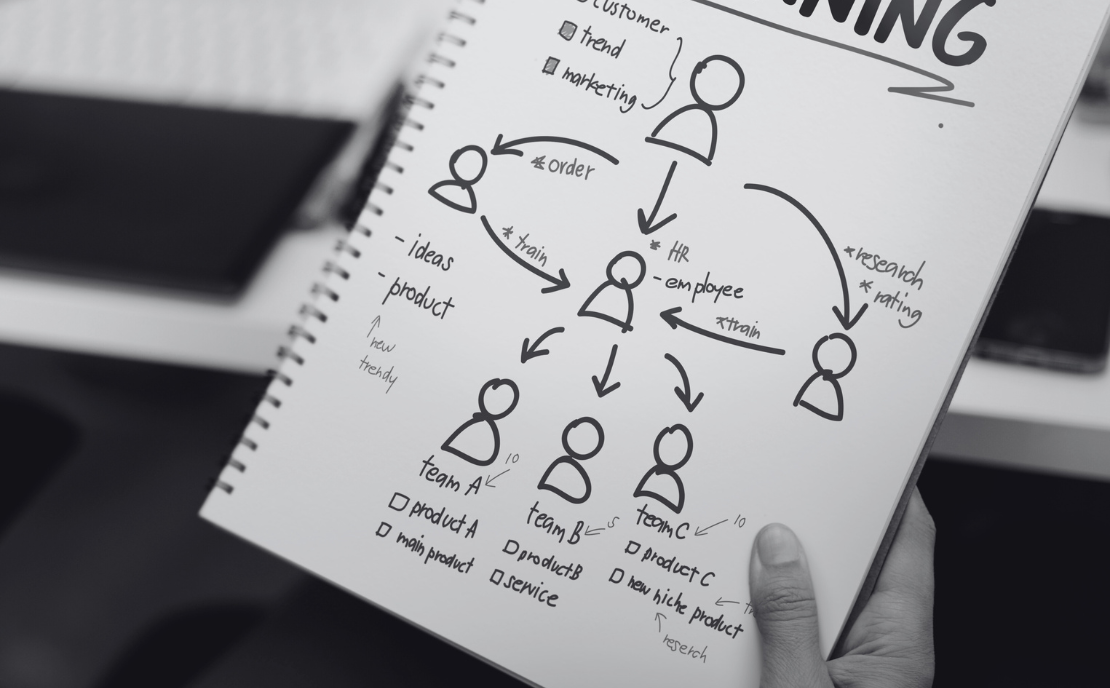
Workforce Planning Mistakes That Limit Business Growth

Workforce planning is one of the most underestimated drivers of business growth. When done poorly, it creates talent gaps, budget strain, and operational bottlenecks that slow progress. Many businesses don’t realize the damage until growth stalls.


1. Hiring Reactively Instead of Strategically

Reactive hiring fills gaps only after problems arise. This often leads to rushed decisions, poor role alignment, and higher attrition.

Strategic workforce planning anticipates future needs and builds capacity ahead of demand.


2. Overcommitting to Fixed Headcount

Permanent hires increase long-term financial exposure. When demand fluctuates, businesses struggle to adapt quickly.

Flexible workforce models reduce risk by aligning staffing levels with real workload requirements.


3. Ignoring Skill Evolution

Roles evolve faster than job descriptions. Planning based on outdated skill requirements results in mismatched hires and declining productivity.

Access to pre-vetted, adaptable talent helps businesses stay aligned with changing needs.


4. Underestimating Time-to-Hire

Lengthy hiring cycles create delivery delays and missed opportunities. Workforce plans must account for hiring speed — not just role requirements.


5. Lack of Contingency Planning

Unexpected attrition, market changes, or project surges can disrupt operations. Workforce plans without backup talent options lack resilience.


Conclusion

Workforce planning mistakes often limit growth quietly but significantly. Businesses that adopt flexible, forward-looking hiring strategies are better positioned to scale sustainably.

F5 Hiring Solutions supports smarter workforce planning through pre-vetted, scalable talent models.


Building Resilient Teams in Uncertain Markets

Market uncertainty has become the norm rather than the exception. Economic shifts, evolving customer demand, and rapid technological change require businesses to rethink how they build and sustain teams. Resilience is no longer about size — it’s about adaptability.


1. Why Traditional Workforce Models Struggle

Rigid hiring models create challenges during uncertainty:

  • High fixed payroll costs

  • Limited flexibility to scale down

  • Slow response to market changes

These constraints reduce a company’s ability to adapt quickly.


2. Flexibility as the Foundation of Resilience

Resilient teams are built with flexibility at their core. Flexible staffing models allow businesses to adjust capacity, skills, and focus without disrupting operations.


3. Skill-Based Hiring Over Headcount-Based Hiring

Resilient organizations hire for capability, not just roles. Access to specialized outsourced professionals ensures the right skills are available when needed — without long-term commitments.


4. Reducing Risk Through Distributed Talent

Distributed teams reduce dependency on single locations or talent pools. This diversification strengthens continuity and minimizes operational disruption.


5. Sustaining Performance During Change

Pre-vetted outsourced professionals are accustomed to dynamic environments, making them well-suited to support teams during periods of transition and uncertainty.


Conclusion

Resilient teams are agile, skill-focused, and adaptable. In uncertain markets, flexible talent strategies provide the stability businesses need to move forward with confidence.

F5 Hiring Solutions helps organizations build resilient teams using pre-vetted professionals designed for change-ready environments.

Why Global Talent Is the Future of Business Growth

Talent shortages are rising worldwide. Local hiring pools aren’t enough anymore—especially for specialised or fast-growing roles. As a result, businesses are turning toward global talent to strengthen teams, reduce costs, and expand capabilities.

Global hiring is no longer a trend. It’s a long-term strategy for companies that want to scale without limits.


1. Access to a Larger, High-Quality Talent Pool

Restricting hiring to one country limits skill availability. Global talent gives companies access to:

  • Niche expertise

  • Advanced technical skills

  • High-performing professionals

  • Diverse perspectives

This helps companies avoid local hiring bottlenecks and accelerate projects.


2. Lower Hiring Costs Without Compromising Quality

Hiring globally often provides access to the same skill sets at significantly lower costs. This allows businesses to:

  • Build larger teams

  • Maintain higher output

  • Allocate budgets more strategically

The result is more output per dollar invested.


3. 24/7 Productivity With Distributed Teams

With global teams working across time zones, companies benefit from:

  • Around-the-clock development

  • Faster turnaround times

  • Shorter project cycles

  • Continuous customer support

Distributed teams help businesses operate more efficiently and respond faster to market demands.


4. Reduced Hiring Timelines

Skill shortages slow down local hiring. Global talent dramatically shortens the cycle because:

  • More candidates are available

  • Agencies can pre-vet talent

  • Interviews move faster

  • Onboarding begins immediately

Businesses gain quick access to the people they need.


5. Better Innovation Through Diverse Thinking

Global teams bring varied:

  • Technical approaches

  • Cultural insights

  • Problem-solving styles

  • Industry experience

This diversity strengthens creativity and enhances innovation.


Conclusion

Hiring globally expands opportunities, reduces costs, and increases organisational agility. Companies that embrace global talent are the ones scaling faster and outperforming competitors.

F5 Hiring Solutions helps businesses build strong, distributed teams by providing pre-vetted global talent across roles and industries.

Top Tips On How To Avoid Common Hiring Mistakes

Hiring the right people is one of the most important investments your company can make. But whether you’re a growing startup or a large enterprise, common hiring mistakes can slow your growth, increase attrition, create team friction, and cost your business both time and money.

Instead of reacting to a bad hire, let’s focus on proactively preventing hiring mistakes before they happen.

Here are the top hiring errors to avoid—and what you can do instead.


1. Overlooking Diversity in Hiring

One of the most common hiring mistakes is limiting your candidate pool right from the start. Whether intentional or not, unconscious bias often restricts diversity in hiring—which means you’re missing out on great talent with unique ideas and fresh perspectives.

Tip: Create inclusive job listings and interview a diverse range of applicants. A diverse workforce drives innovation, adaptability, and stronger team dynamics.


2. Not Defining the Job Description Clearly

If you’re unclear about what the role really involves, how will you know who’s a good fit? One of the biggest hiring mistakes is vague or generic job descriptions that don’t set clear expectations.

Tip: List out exact responsibilities, required skills, and expected outcomes for the role. A well-written JD saves time and filters out unqualified applicants from the get-go.


3. Ignoring Social Media Screening

In today’s digital world, social media gives a sneak peek into a candidate’s personality, interests, and communication style. Skipping this step can mean overlooking red flags—or missing someone whose values align perfectly with yours.

Tip: Do a quick scan of their LinkedIn, Instagram, Twitter, or Facebook for professionalism and alignment with your company values. Also, ensure your own company’s social pages reflect a strong, positive employer brand.


4. Neglecting Candidate References

Too many employers skip reference checks because they seem tedious or unnecessary. But this hiring mistake can cost you—especially if the employee was a poor performer or had workplace issues in their previous job.Tip: Reach out to at least two listed references. Ask about performance, reliability, and team compatibility. You’ll often uncover key insights that interviews don’t reveal.


5. Talking More Than Listening During Interviews

Hiring is a two-way communication process. A mistake many interviewers make is dominating the conversation, leaving little room for candidates to showcase their abilities.

Tip: Ask open-ended questions that invite candidates to share examples of their work, problem-solving skills, and team experience. The more they speak, the better you understand if they’re a fit.


Final Thoughts

Avoiding these common hiring mistakes can drastically improve your recruitment process and bring in better talent—faster. But if the hiring process still feels overwhelming or time-consuming, there’s a simpler solution.

At F5 Hiring Solutions, we help you avoid all the guesswork by providing pre-vetted, high-performing, and affordable candidates—so you get the right people from day one.

WE HIRE WHAT YOU DESIRE.
Let us help you build the team your business truly needs.