

Hiring for Growth vs Hiring for Today — Why the Difference Matters

Many companies hire reactively — filling roles only when gaps appear. While this solves short-term problems, it often limits long-term scalability. Hiring for growth requires a different mindset.


1. Hiring for Today: The Reactive Approach

This approach focuses on:

  • Immediate workload relief

  • Urgent skill gaps

  • Short-term deliverables

While necessary at times, it often leads to rushed decisions and mismatches.


2. Hiring for Growth: The Strategic Approach

Growth-focused hiring prioritizes:

  • Adaptability and learning ability

  • Long-term role evolution

  • Scalability across projects

This creates a future-ready workforce.


3. The Risk of Overcommitting Too Early

Hiring permanent staff for uncertain future needs increases financial risk. Flexible hiring models allow businesses to test growth paths without locking into long-term costs.


4. Blending Both Approaches Effectively

Smart organizations combine:

  • Core in-house talent for stability

  • Flexible outsourced talent for growth and experimentation

This balance supports sustainable expansion.


5. How Outsourcing Supports Growth-Oriented Hiring

Outsourcing allows businesses to:

  • Add skills ahead of demand

  • Scale teams as growth materializes

  • Reduce risk during expansion phases

Growth becomes intentional, not reactive.


Conclusion

Hiring for today solves immediate needs. Hiring for growth builds long-term success. Companies that balance both strategies scale faster and with greater confidence.

F5 Hiring Solutions helps businesses hire with growth in mind using flexible, pre-vetted talent models.
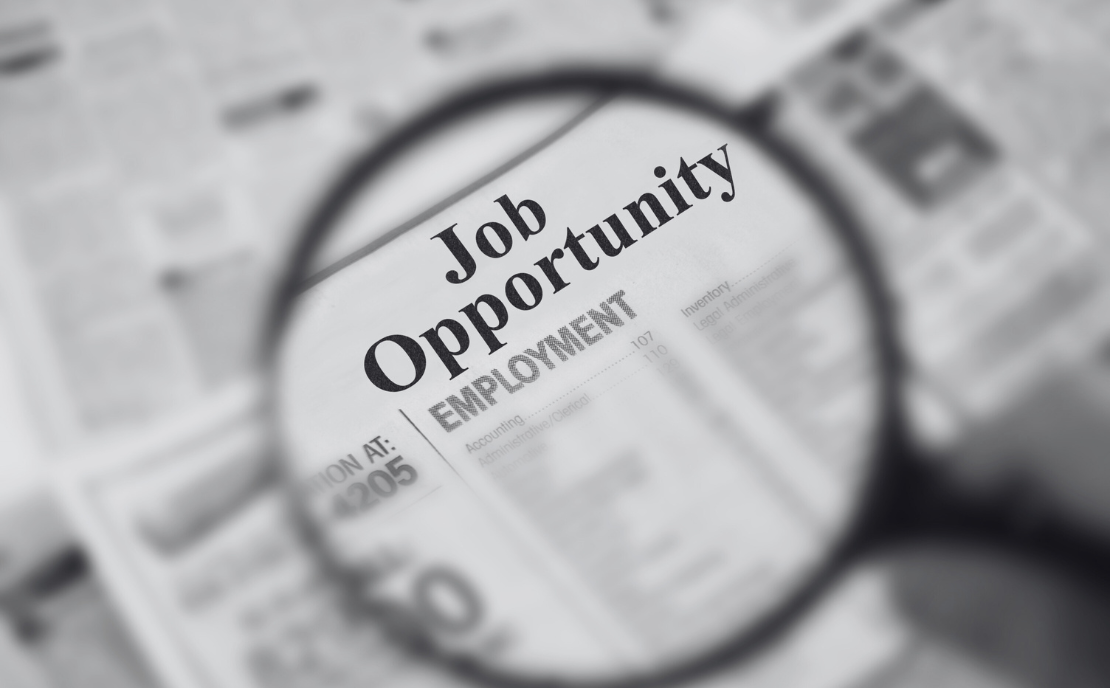
Why Speed Matters in Hiring: How Delayed Recruitment Hurts Business Growth

In today’s competitive market, hiring delays are not just inconvenient—they are expensive. Every unfilled role creates lost productivity, increased pressure on existing teams, and missed business opportunities.

Speed in hiring has become a critical growth factor, especially for companies operating in fast-moving industries.

1. Lost Productivity Starts Immediately

When a position remains open, work does not pause. Existing employees are forced to stretch beyond capacity, leading to burnout and declining output. Over time, this affects quality, morale, and delivery timelines.

2. Revenue and Growth Take a Hit

Sales roles, delivery teams, and technical positions directly influence revenue. Delayed recruitment slows project execution, postpones launches, and reduces the company’s ability to scale.

3. Top Talent Drops Out Quickly

High-quality candidates rarely stay in the market for long. Lengthy hiring cycles result in losing strong talent to competitors with faster decision-making processes.

4. Increased Cost of Rushed Hiring

Ironically, slow hiring often leads to rushed final decisions. This increases the risk of poor hires, resulting in higher long-term costs related to replacement, retraining, and lost productivity.

5. Faster Hiring Creates Competitive Advantage

Companies that hire quickly gain:

  • Faster execution

  • Stronger teams

  • Better talent retention

  • Predictable growth

Pre-vetted hiring models dramatically reduce time-to-hire while maintaining quality.

The Bottom Line

Speed in hiring directly impacts growth, profitability, and team performance. Businesses that optimize recruitment speed gain a significant edge.

F5 Hiring Solutions enables companies to hire pre-vetted professionals quickly—without compromising on quality or control.